
- All
- Product Name
- Product Keyword
- Product Model
- Product Summary
- Product Description
- Multi Field Search
Views: 0 Author: Site Editor Publish Time: 2026-11-06 Origin: Site


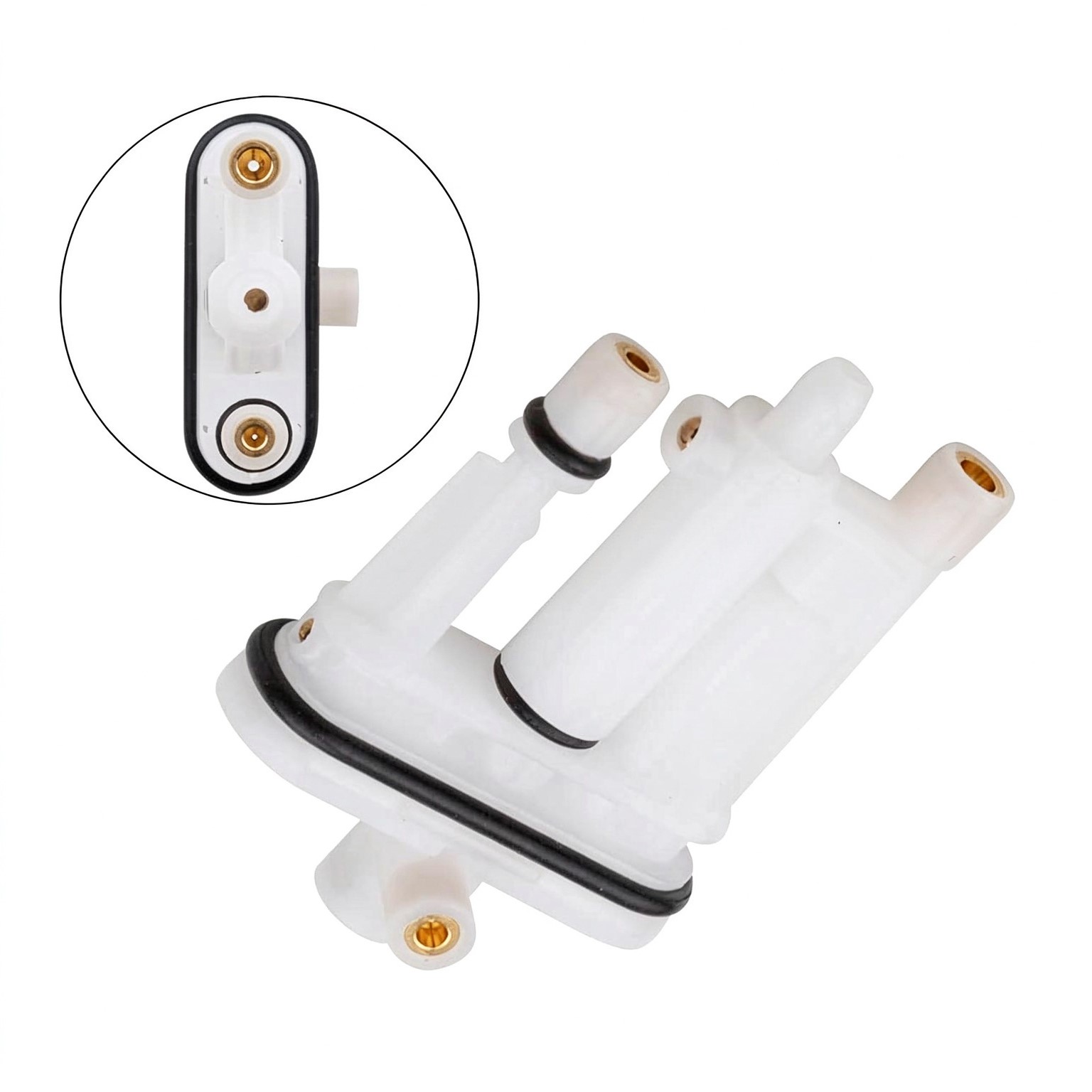
The plastic shell is just the shell; the brass tips inside are what actually control the fuel. The 592792 fuel nozzle body is exactly that kind of division of labor.
What does the nozzle body do in the carburetor? Fuel enters the body and the brass jets on it meter it out, the size of each orifice fixed, one line finer, another coarser. So when it comes to metering fuel, the shell moves it and the brass measures it.
Why are the jets brass and the shell plastic? The orifice is the spot where wear and carbon build up fastest. Brass stands up to fuel and wear, and its tip shape stays true instead of being deformed by grit. The shell does not sit in the high-speed fuel flow, so plastic is light, steady and economical. On one body the shell and the tips each do their own job.
What is the flange and the ring on the shell for? The nozzle body seats against the carburetor on the flange side, and the seal keeps the fuel circuit and the air circuit from mixing. The ring is soft, so once it is pressed into place it seals, but it does not like dirt, so clean the flange face before fitting and make sure the ring does not wrinkle.
How are the ports divided? The barbed ports on the body each take one fuel line. Follow the old part's lines once before you take it apart, because once it is off, they all look the same. The brass at the end of a port is the tip of a jet, so do not pry it with hard tools, the seat can be bent.
When to replace it? If an orifice is clogged, blow it out first. Once the brass tips are worn flat or bent, the flange is cracked, or the seal ring has gone and fuel is weeping, replace the whole body. A single jet is not replaceable on its own, the body is one unit.
What to check when swapping it? Line up the flange holes, and the direction and count of the ports, on the new body against the old one. Carburetors in the same family mostly fit, but fit is not guaranteed for every one, so comparing against the old part is the safe way.


